Galle, Sri Lanka
CulturalSouthern Province

Explore Galle

Explore historic Galle Fort, colonial architecture, museums, boutique cafes, ocean viewpoints, and the character of Sri Lanka's southern coast.

Typical temperature24°C – 31°C

Approximate tropical coastal planning range rather than a live forecast.

Recommended stay1 – 2 nights

Suitable for the fort, museums, coastal walks and nearby beaches.

Best exploring timeMorning and late afternoon

Usually more comfortable for walking around the fort and ramparts.

LocationSouthern Province

Galle District on Sri Lanka’s southwest coast.

Heritage statusUNESCO World Heritage

The Old Town and Fortifications were inscribed in 1988.

Destination guide

About Galle

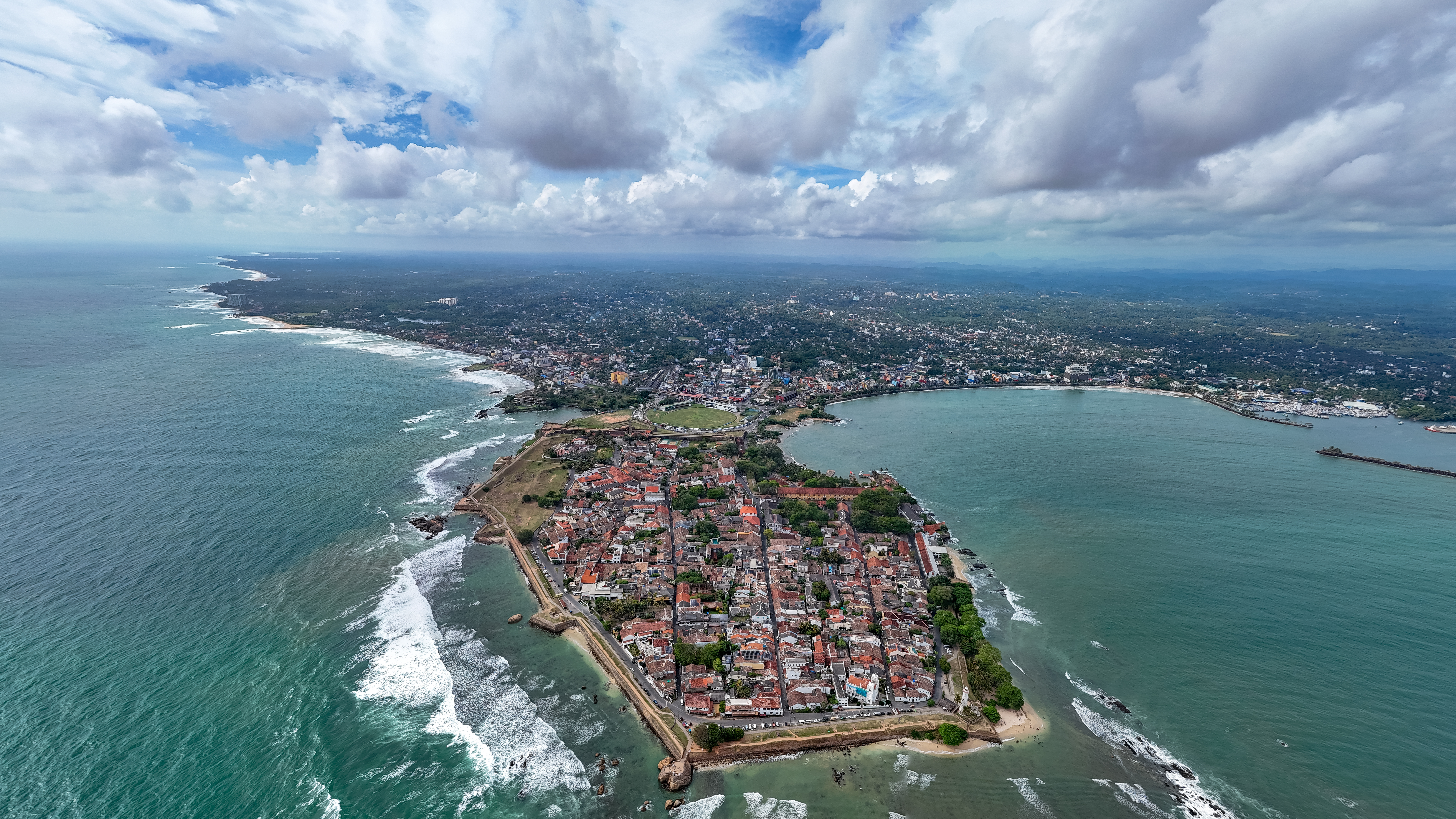
Galle is one of Sri Lanka’s most distinctive coastal cities, combining a living historic fort, colonial-era architecture, ocean-facing ramparts, museums, cafés, religious buildings and easy access to the beaches of the south coast.

The Old Town of Galle and its Fortifications is recognized as a UNESCO World Heritage Site. The fortified town developed from the Portuguese period and reached its greatest extent under Dutch colonial rule, creating an urban landscape where European planning and architecture were adapted to Sri Lankan materials, climate and traditions.

Galle works well as a one or two-night cultural stop after Mirissa, Yala or Ella. It can also be used as a base for visiting Unawatuna, Rumassala, Koggala, Hikkaduwa and other destinations along Sri Lanka’s southern coastline.
Things to do

Top experiences in Galle

Choose activities according to your available time, fitness, weather conditions and preferred travel pace.

01

Walk through Galle Fort

Explore the fort’s narrow streets, historic houses, administrative buildings, religious sites, boutiques and preserved colonial-era urban layout.

Duration: Approximately 2 – 3 hours
Best time: Early morning or late afternoon
Difficulty: Easy to moderate walking
02

Walk along the fort ramparts

Follow sections of the defensive walls and bastions for views across the Indian Ocean, harbour, lighthouse and historic town.

Duration: Approximately 1 – 2 hours
Best time: Late afternoon and sunset
Difficulty: Easy walking with some uneven surfaces
03

Visit Galle Lighthouse

See one of Galle Fort’s most recognizable landmarks, positioned near the southeastern ramparts with views over the ocean and surrounding historic buildings.

Duration: Approximately 30 – 60 minutes
Best time: Morning or late afternoon
Difficulty: Easy
04

Explore the National Maritime Museum

Learn about Sri Lanka’s maritime heritage, seafaring history, coastal communities and archaeological connections to the Indian Ocean.

Duration: Approximately 1 – 1.5 hours
Best time: During current museum opening hours
Difficulty: Easy
05

Visit the Galle National Museum

Explore exhibitions connected with the cultural, historical and artistic heritage of Galle and Sri Lanka’s Southern Province.

Duration: Approximately 1 hour
Best time: During current museum opening hours
Difficulty: Easy
06

Discover historic religious buildings

Visit selected churches, mosques and temples that reflect the multi-religious and multicultural history of the living fortified town.

Duration: Approximately 1 – 2 hours
Best time: Morning or afternoon, subject to access
Difficulty: Easy
07

Enjoy cafés, galleries and local shops

Explore restored buildings containing cafés, restaurants, galleries, jewellery stores, craft shops and small boutique businesses.

Duration: Flexible
Best time: Late morning, afternoon or evening
Difficulty: Easy
08

Watch sunset from the fort

Finish the day on a suitable section of the ramparts while watching the sun set over the Indian Ocean.

Duration: Approximately 45 – 90 minutes
Best time: Late afternoon
Difficulty: Easy, with care required near exposed edges

Weather and climate

Best time to visit Galle

Plan long walks during the morning or late afternoon, carry drinking water and use sun protection. A light umbrella or rain jacket is useful because coastal weather can change quickly.

Temperature

Galle has a warm and humid tropical coastal climate. A practical planning range is approximately 24°C to 31°C, although direct sunshine and humidity can make daytime walking feel considerably warmer.

Best months

December to March often provides convenient conditions for exploring Galle and combining the city with beaches along Sri Lanka’s southwest and south coast.

Relatively drier periods

Parts of December through March are often relatively drier, although brief tropical showers remain possible throughout the year.

Wetter periods

Heavier rain and thunderstorms are more likely during southwest monsoon and inter-monsoon periods, particularly from approximately May onwards and again later in the year.

Location

Where is Galle?

Galle is located on Sri Lanka’s southwest coast in the Southern Province. The historic fort occupies a rocky coastal promontory and is connected by road and rail with Colombo, Hikkaduwa, Mirissa and Matara.

Nearby places

Places to combine with Galle

Unawatuna

Approximately 15 – 25 minutes

Around 6 km

A popular coastal area known for its curved beach, accommodation, restaurants and access to nearby marine and nature attractions.

Rumassala and Jungle Beach

Approximately 20 – 35 minutes

A forested coastal headland near Unawatuna offering walking routes, ocean viewpoints and access to small beach areas.

Koggala

Approximately 30 – 45 minutes

Around 15 km

A coastal and lagoon area associated with beaches, lake excursions, local communities and the Martin Wickramasinghe cultural complex.

Hikkaduwa

Approximately 30 – 50 minutes

Around 20 km

An established beach destination known for surfing, coastal activities and marine environments, subject to seasonal sea conditions.

Mirissa

Approximately 1 – 1.5 hours

Around 40 km

A south-coast beach destination known for ocean viewpoints, surfing access and seasonal whale-watching excursions.

Ahangama

Approximately 35 – 50 minutes

A coastal town known for surf breaks, cafés, small beaches and access to the wider Koggala and Weligama coastline.

Route planning

Getting to and from Galle

Travel-time ranges can change according to traffic, weather, road conditions, comfort stops and sightseeing along the route.

01

Mirissa → Galle

Approximately 1 – 1.5 hours

A straightforward coastal route connecting Mirissa’s beaches and marine activities with Galle’s UNESCO-listed historic fort.

Travel time depends on coastal traffic, accommodation locations and sightseeing stops.

02

Yala → Galle

Approximately 4 – 5 hours

A common route connecting Sri Lanka’s southern wildlife region with its historic southwest coast.

Tangalle, Matara or selected coastal stops may be included depending on the itinerary.

03

Ella → Galle

Approximately 5 – 6.5 hours

Connects Sri Lanka’s hill country with the southern coastline and Galle Fort.

This is a longer travel day. Comfort stops and route conditions should be considered carefully.

04

Galle → Colombo

Approximately 2 – 3 hours

A common transfer using the southern expressway where suitable, connecting Galle with Sri Lanka’s commercial capital.

Traffic approaching Colombo can increase the journey time.

05

Galle → Colombo Airport

Approximately 2.5 – 3.5 hours

A frequent final transfer for travellers ending their Sri Lanka journey in Galle or the surrounding south-coast region.

Allow generous additional time for international departures, traffic and airport check-in.

06

Hikkaduwa → Galle

Approximately 30 – 50 minutes

A short coastal connection allowing Hikkaduwa beach stays to be combined with Galle Fort.

07

Galle → Bentota

Approximately 1.5 – 2.5 hours

Connects Galle with resort areas, water-based activities and the southwestern coastline north of Hikkaduwa.

Visitor guidance

Practical tips for Galle

Begin longer fort walks during the morning or late afternoon because midday conditions can be hot and humid.

Wear comfortable footwear because the fort includes stone surfaces, uneven pathways, steps and long walking distances.

Carry drinking water, sunscreen, sunglasses and a hat when walking around the ramparts.

Remain behind safe barriers and avoid sitting or standing dangerously close to exposed rampart edges.

Respect residents because Galle Fort is a living neighbourhood rather than only a visitor attraction.

Ask permission before photographing people, private homes, religious ceremonies or residents working inside the fort.

Wear appropriate clothing when entering churches, mosques, temples and other religious buildings.

Museum opening hours, admission fees and temporary closures should be checked before the visit.

Avoid touching, climbing or damaging historic walls, monuments and archaeological structures.

Use designated waste bins and avoid leaving plastic or food waste within the heritage area.

Check sea conditions before visiting beaches near Galle, Unawatuna or Hikkaduwa because currents and waves vary seasonally.

Allow additional travel time during weekends, holidays and busy tourism periods when roads and parking areas may be crowded.

Questions answered

Frequently asked questions

How many nights should I stay in Galle?+

One night is suitable for the main fort attractions and a sunset walk. Two nights provide a more relaxed visit and allow time for nearby beaches, museums or coastal excursions.

Is Galle Fort a UNESCO World Heritage Site?+

Yes. The Old Town of Galle and its Fortifications was inscribed on the UNESCO World Heritage List in 1988 for its exceptional combination of European fortification and South Asian architectural traditions.

How long does it take to explore Galle Fort?+

A basic walking tour may take approximately two to three hours. A longer visit including museums, religious buildings, cafés and sunset can take most of the day.

Is there an entrance fee for Galle Fort?+

Walking into the fort and exploring its public streets is generally possible without a general fort entrance ticket. Individual museums, attractions or guided experiences may charge separate fees.

What is the best time to walk around Galle Fort?+

Early morning and late afternoon are usually more comfortable because the temperature and direct sunlight may be stronger around midday.

Can I visit Galle from Mirissa?+

Yes. Mirissa and Galle are commonly combined and the road journey generally takes approximately one to one-and-a-half hours, depending on traffic and accommodation locations.

Can I visit Unawatuna from Galle?+

Yes. Unawatuna is only a short drive from Galle and can be visited for beach time, dining or nearby coastal attractions.

Is Galle suitable for families?+

Galle is suitable for many families because it offers walking, museums, ocean views, cafés and nearby beaches. Children should be supervised carefully near ramparts, roads and exposed coastal areas.

Can Galle be visited as a day trip from Colombo?+

Yes. Galle can be visited as a full-day trip from Colombo using the southern expressway, although an overnight stay allows a more relaxed experience and an evening walk inside the fort.

Planning information and sources

Travel times, temperatures, museum schedules, entrance fees, religious-site access, road conditions, beach safety and activity availability are approximate or subject to change. All operational details must be reconfirmed before issuing the final itinerary.

Last verified: 2026-07-19

Start planning

Build your private Sri Lanka journey around Galle

Share your dates, group size, interests and preferred travel pace. Our team will prepare a realistic, personalized route.

Create My Tour
CallWhatsAppPlan Tour