Trincomalee, Sri Lanka
BeachEastern Province

Explore Trincomalee

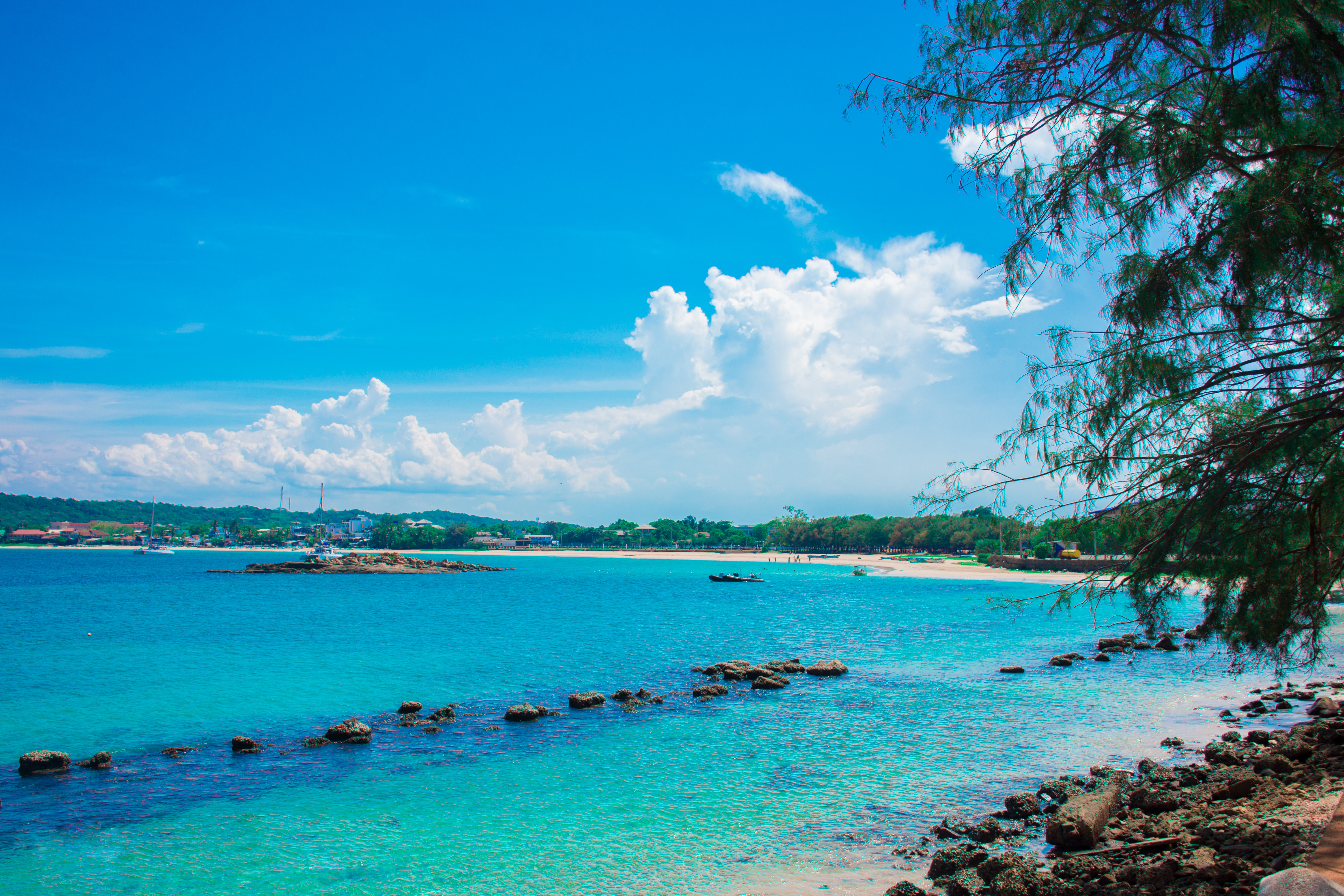
Enjoy Trincomalee's clear waters, sandy beaches, marine experiences, coastal viewpoints, and cultural attractions on Sri Lanka's east coast.

Typical temperature24°C – 32°C

Approximate tropical east-coast planning range rather than a live forecast.

Recommended stay2 – 4 nights

Suitable for beaches, heritage, snorkelling and seasonal marine activities.

Best beach periodMay – September

The east coast is often drier with more suitable sea conditions during this period.

LocationEastern Province

Trincomalee District on Sri Lanka’s northeast coast.

Destination typeBeach, Marine & Heritage

Natural harbour, beaches, temples, fortifications and marine experiences.

Destination guide

About Trincomalee

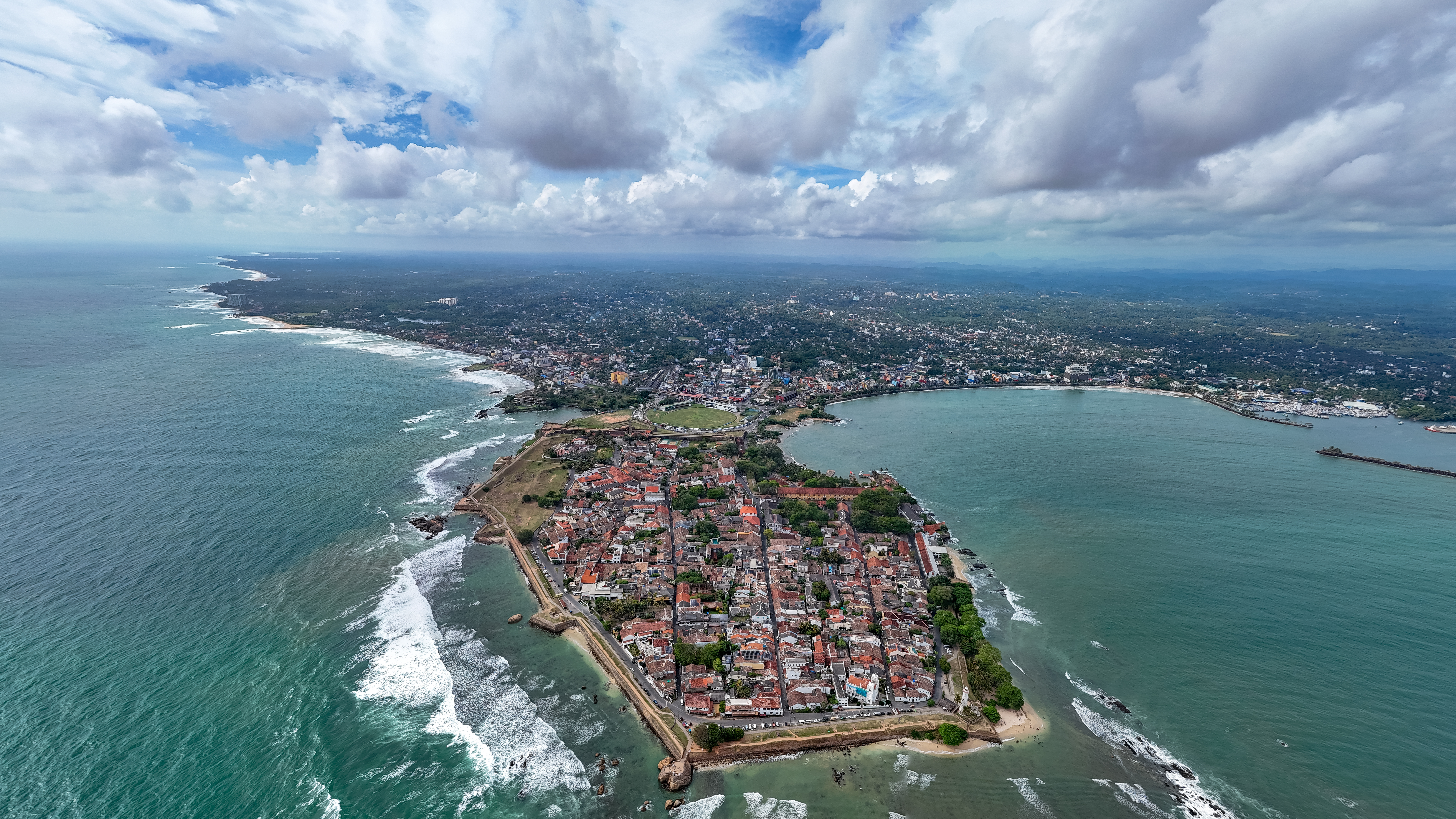
Trincomalee is one of Sri Lanka’s most distinctive east-coast destinations, combining a vast natural harbour, tropical beaches, Hindu and Buddhist heritage, colonial fortifications and access to protected marine environments.

The destination is home to the beaches of Nilaveli and Uppuveli, the offshore Pigeon Island National Park, historic Fort Frederick and Koneswaram Temple on Swami Rock. The surrounding coastline also supports seasonal whale watching, diving, snorkelling, fishing communities and quieter beach stays.

Trincomalee works particularly well after Sigiriya, Polonnaruwa or Anuradhapura. Travellers can include it as a two-to-four-night east-coast extension before continuing towards Pasikuda, Batticaloa or northern Sri Lanka.
Things to do

Top experiences in Trincomalee

Choose activities according to your available time, fitness, weather conditions and preferred travel pace.

01

Visit Koneswaram Temple

Explore the important Hindu temple dedicated to Lord Shiva on Swami Rock, with views across the Indian Ocean, Trincomalee Bay and the surrounding coastline.

Duration: Approximately 1 – 1.5 hours
Best time: Early morning or late afternoon
Difficulty: Easy to moderate walking with some steps
02

Explore Fort Frederick

Walk through the historic fortified area originally developed by the Portuguese and later used by Dutch and British colonial powers.

Duration: Approximately 1 – 2 hours
Best time: Morning or late afternoon
Difficulty: Easy to moderate walking
03

Relax at Nilaveli Beach

Spend time on one of Trincomalee’s best-known beaches, with soft sand, open coastal scenery and access to Pigeon Island boat services when operating.

Duration: Flexible
Best time: Morning or late afternoon during suitable sea conditions
Difficulty: Easy
04

Enjoy Uppuveli Beach

Relax at a convenient beach area closer to Trincomalee town, with accommodation, cafés, restaurants and access to local marine-activity providers.

Duration: Flexible
Best time: Morning or late afternoon
Difficulty: Easy
05

Snorkel at Pigeon Island National Park

Travel by authorized boat from Nilaveli to the protected marine national park, known for coral habitats, reef fish and other marine life.

Duration: Approximately 3 – 4 hours including boat transfers
Best time: Morning during calm and clear sea conditions
Difficulty: Swimming and snorkelling ability required
06

Join a seasonal whale-watching cruise

Travel into the waters off Trincomalee with a registered and safety-conscious operator to search for whales, dolphins and other marine wildlife.

Duration: Approximately 4 – 5 hours
Best time: Early morning, generally during the east-coast operating season
Difficulty: Boat journey; may not suit travellers prone to seasickness
07

Experience scuba diving

Explore selected reefs, underwater landscapes or wreck-diving locations with a properly certified and registered dive centre.

Duration: Half-day or full-day depending on certification and dive plan
Best time: During suitable visibility, current and sea conditions
Difficulty: Certification and experience requirements vary
08

Visit Kanniya Hot Wells

Visit the historic group of wells near Trincomalee, known for water that varies in temperature between the individual wells.

Duration: Approximately 45 – 90 minutes
Best time: Morning or late afternoon
Difficulty: Easy
09

Explore Trincomalee Harbour

Discover the city’s naval and maritime history through an approved harbour, museum or dockyard experience where current public access is available.

Duration: Approximately 1 – 3 hours
Best time: According to confirmed access and booking arrangements
Difficulty: Suitable for most travellers

Weather and climate

Best time to visit Trincomalee

Use sun protection, stay hydrated and check daily marine forecasts before swimming, snorkelling, diving or joining a boat excursion. Climate and sea information is general planning guidance rather than a live forecast.

Temperature

Trincomalee has a warm tropical coastal climate. A practical planning range is approximately 24°C to 32°C, with strong sunshine, humidity and warmer daytime conditions possible throughout the year.

Best months

May to September is generally the most useful period for east-coast beach holidays, snorkelling and marine activities. Some whale-watching operations may continue into October, subject to sea conditions and confirmed schedules.

Relatively drier periods

The southwest-monsoon months from approximately May to September often bring comparatively drier conditions to Trincomalee while heavier rain affects parts of Sri Lanka’s southwest coast.

Wetter periods

The northeast monsoon and inter-monsoon periods, particularly from October through January, may bring heavier rain, thunderstorms, wind and rougher sea conditions to the east coast.

Location

Where is Trincomalee?

Trincomalee is located on Sri Lanka’s northeast coast in the Eastern Province. The city surrounds a large natural harbour, while the main beach areas of Uppuveli and Nilaveli extend north along the coastline.

Nearby places

Places to combine with Trincomalee

Nilaveli Beach

Approximately 25 – 40 minutes

Around 15 – 20 km

A peaceful east-coast beach and the principal departure area for authorized trips to Pigeon Island National Park.

Uppuveli Beach

Approximately 10 – 20 minutes

Around 5 km

A convenient beach area close to Trincomalee town, with accommodation, restaurants and marine-activity services.

Pigeon Island National Park

Approximately 15 – 30 minutes by boat from Nilaveli after reaching the departure point

A protected marine national park with coral reefs, reef fish and shallow-water marine habitats.

Marble Beach

Approximately 30 – 50 minutes

A sheltered beach area near the harbour region, known for clear water and a quieter coastal setting when public access is available.

Kanniya Hot Wells

Approximately 20 – 30 minutes

Around 8 – 10 km

A group of historic wells containing naturally warm water at varying temperatures.

Seruwila Mangala Raja Maha Viharaya

Approximately 1.5 – 2.5 hours

An important Buddhist pilgrimage site southeast of Trincomalee, suitable for inclusion in a cultural east-coast journey.

Polonnaruwa

Approximately 2.5 – 3.5 hours

Sri Lanka’s medieval capital, known for royal ruins, Buddhist monuments, stone carvings and historic irrigation works.

Pasikuda

Approximately 2.5 – 3.5 hours

An east-coast beach destination known for its broad bay, shallow coastal water and resort-style stays.

Route planning

Getting to and from Trincomalee

Travel-time ranges can change according to traffic, weather, road conditions, comfort stops and sightseeing along the route.

01

Sigiriya → Trincomalee

Approximately 2.5 – 3.5 hours

A popular route connecting the Cultural Triangle with Sri Lanka’s northeast beaches and natural harbour.

Travel time depends on traffic, road conditions, accommodation location and selected stops.

02

Polonnaruwa → Trincomalee

Approximately 2.5 – 3.5 hours

Connects Sri Lanka’s medieval capital with the east-coast beaches, temples and marine experiences of Trincomalee.

03

Anuradhapura → Trincomalee

Approximately 2.5 – 3.5 hours

A useful route between Sri Lanka’s ancient sacred city and the northeast coast.

Mihintale or selected cultural stops may be included depending on timing.

04

Trincomalee → Pasikuda

Approximately 2.5 – 3.5 hours

A scenic east-coast connection between Trincomalee and the resort beaches of Pasikuda and Kalkudah.

05

Trincomalee → Batticaloa

Approximately 3 – 4 hours

Connects Trincomalee with Batticaloa’s lagoon, historic sites and eastern coastal region.

06

Colombo Airport → Trincomalee

Approximately 5.5 – 7 hours

A long transfer from the international airport to Sri Lanka’s northeast coast.

A first-night stop in Negombo, Sigiriya, Dambulla or Anuradhapura may create a more comfortable itinerary.

07

Kandy → Trincomalee

Approximately 4.5 – 6 hours

A longer route connecting Sri Lanka’s central hill capital with its northeast harbour and beach region.

Dambulla or Sigiriya can be included as an intermediate stop within a longer itinerary.

08

Trincomalee → Jaffna

Approximately 4.5 – 6 hours

Connects Sri Lanka’s northeast coast with the cultural landscapes and islands of the northern peninsula.

Visitor guidance

Practical tips for Trincomalee

Visit Koneswaram Temple in modest clothing that covers the shoulders and knees.

Remove shoes and hats before entering designated temple areas and avoid interrupting worship or ceremonies.

Fort Frederick remains connected with military and government activities, so visitors should respect signs, restricted areas and security instructions.

Use only authorized boat operators for Pigeon Island, diving, snorkelling and whale-watching excursions.

Pigeon Island is a protected national park. Do not stand on, touch, collect or damage coral.

Do not feed, touch, chase or surround reef fish, sharks, turtles or other marine animals.

Use reef-conscious sun protection where appropriate and avoid leaving plastic or other waste on beaches and islands.

Check wind, waves, currents and visibility before swimming, snorkelling or diving.

Marine activities can be cancelled because of rough seas, rain, poor visibility or operational restrictions.

Whales and dolphins are wild animals, so sightings are never guaranteed.

Choose whale-watching operators that keep a respectful distance and follow marine-mammal observation and safety rules.

Travellers prone to seasickness should seek suitable medical or pharmaceutical advice before joining a boat excursion.

Carry sun protection and sufficient drinking water during beach and boat activities.

Protect cameras, phones and valuables from sea spray using waterproof bags or covers.

Entrance fees, park permits, boat charges, diving requirements, harbour access and operating times must be reconfirmed before travel.

The east coast can experience heavy rain and rougher seas during the northeast-monsoon period, so itineraries should remain flexible.

Questions answered

Frequently asked questions

How many nights should I stay in Trincomalee?+

Two nights are suitable for the main city attractions and beach time. Three or four nights provide a more relaxed visit with Pigeon Island, diving, snorkelling or seasonal whale watching.

What is the best time to visit Trincomalee?+

May to September is generally the most useful period for east-coast beach holidays and marine activities. Conditions vary each year, so weather and sea forecasts should still be checked.

Can I visit Pigeon Island from Trincomalee?+

Yes. Visitors normally travel by road to Nilaveli and then use an authorized boat service to reach Pigeon Island National Park, subject to current permits and sea conditions.

Is snorkelling at Pigeon Island suitable for beginners?+

Conditions may suit some beginners, but suitability depends on swimming confidence, currents, waves, visibility and guidance. Travellers should use proper safety equipment and an experienced provider.

Can I see sharks at Pigeon Island?+

Blacktip reef sharks and other marine species may sometimes be observed, but sightings are natural and cannot be guaranteed. Visitors should maintain a respectful distance.

When is whale watching available in Trincomalee?+

Whale-watching operations are generally associated with the east-coast period from approximately May to October. Exact schedules depend on the operator, weather and sea conditions.

Are whale sightings guaranteed?+

No. Whales and dolphins move naturally through a large marine environment, so sightings depend on season, sea conditions and luck.

Can Sigiriya and Trincomalee be included in the same tour?+

Yes. Sigiriya and Trincomalee are commonly combined, allowing travellers to connect the Cultural Triangle with an east-coast beach stay.

Is Trincomalee suitable for families?+

Yes. Families can enjoy beaches, temples and city attractions, but parents should carefully consider boat safety, swimming ability, sun exposure and the length of marine excursions.

What should I wear at Koneswaram Temple?+

Wear respectful clothing that covers the shoulders and knees. Shoes and hats should be removed before entering designated religious areas.

Planning information and sources

Temperatures, travel times, weather, sea conditions, whale sightings, park permits, boat services, diving requirements, harbour access, entrance fees and activity availability are approximate or subject to change. All operational information must be reconfirmed before issuing the final client itinerary.

Last verified: 2026-07-19

Start planning

Build your private Sri Lanka journey around Trincomalee

Share your dates, group size, interests and preferred travel pace. Our team will prepare a realistic, personalized route.

Create My Tour
CallWhatsAppPlan Tour