Polonnaruwa, Sri Lanka
HistoricalNorth Central Province

Explore Polonnaruwa

Discover Polonnaruwa's ancient royal palaces, stone monuments, temples, reservoirs, and well-preserved medieval heritage.

Typical temperature24°C – 34°C

Approximate dry-zone planning range. Exposed archaeological areas can feel hotter at midday.

Recommended stay1 – 2 nights

Suitable for the ancient city, reservoir and a nearby wildlife experience.

Best exploring timeEarly morning and late afternoon

Usually more comfortable for walking, cycling and photography.

LocationNorth Central Province

Polonnaruwa District within Sri Lanka’s Cultural Triangle.

Heritage statusUNESCO World Heritage

The Ancient City of Polonnaruwa was inscribed in 1982.

Destination guide

About Polonnaruwa

Polonnaruwa is one of Sri Lanka’s most important ancient cities and the island’s second major historic capital after Anuradhapura. Its archaeological landscape contains royal palaces, Buddhist monasteries, Hindu monuments, bathing pools, audience halls, image houses, stone carvings and advanced irrigation works.

The ancient city reached its greatest development during the twelfth century under King Parakramabahu I. The remains of the royal garden city, the Parakrama Samudra reservoir, Gal Vihara and extensive religious complexes demonstrate the engineering, artistic and administrative achievements of the Polonnaruwa Kingdom.

Polonnaruwawa Kingdom.

Polonnaruwa works naturally within a Cultural Triangle journey alongside Sigiriya, Dambulla and Anuradhapura. It can also be combined with a wildlife safari in Minneriya, Kaudulla or another suitable nearby national park according to current elephant movement and park conditions.
Things to do

Top experiences in Polonnaruwa

Choose activities according to your available time, fitness, weather conditions and preferred travel pace.

01

Explore the Royal Palace complex

Walk through the remains of King Parakramabahu’s royal complex, including the palace foundations, council chamber and bathing areas associated with the medieval capital.

Duration: Approximately 1 – 1.5 hours
Best time: Early morning
Difficulty: Easy to moderate walking over uneven ground
02

Visit the Sacred Quadrangle

Explore the Dalada Maluwa, a concentrated group of important religious structures including the Vatadage, Hatadage, Atadage and other monuments associated with the sacred Tooth Relic tradition.

Duration: Approximately 1 – 2 hours
Best time: Morning or late afternoon
Difficulty: Easy to moderate walking
03

See the Gal Vihara rock statues

Visit the famous rock shrine containing seated, standing and reclining Buddha images carved directly from a granite rock face during the Polonnaruwa period.

Duration: Approximately 1 – 1.5 hours
Best time: Morning or late afternoon
Difficulty: Easy
04

Explore Alahana Pirivena

Discover the remains of a major twelfth-century monastic and educational complex containing stupas, image houses, chapter buildings, monks’ cells and an ancient hospital area.

Duration: Approximately 1.5 – 2.5 hours
Best time: Morning or late afternoon
Difficulty: Moderate walking across a large archaeological area
05

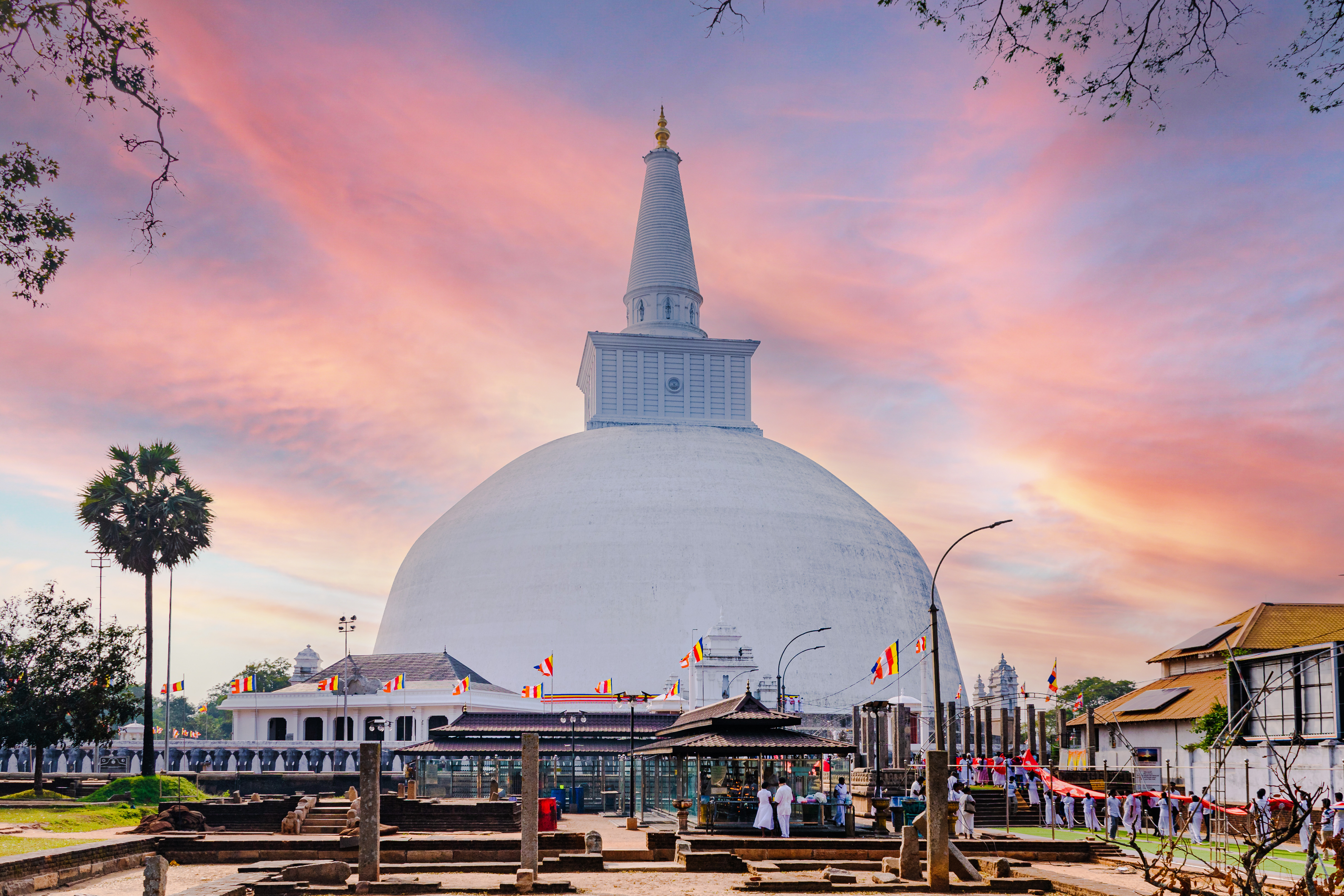
Visit Rankoth Vehera

See one of the largest stupas in Polonnaruwa, constructed within the extensive monastic landscape of the ancient capital.

Duration: Approximately 45 – 75 minutes
Best time: Early morning or evening
Difficulty: Easy
06

Walk beside Parakrama Samudra

Experience views across the large historic reservoir associated with King Parakramabahu I and Polonnaruwa’s advanced irrigation landscape.

Duration: Approximately 45 minutes – 1.5 hours
Best time: Early morning or sunset
Difficulty: Easy
07

Cycle through the ancient city

Travel between selected archaeological monuments by bicycle using a route suited to the weather, road conditions, fitness and available time.

Duration: Approximately 3 – 5 hours
Best time: Early morning
Difficulty: Moderate because of heat, distance and uneven surfaces
08

Join a nearby wildlife safari

Visit Minneriya, Kaudulla or another suitable park depending on current elephant movement, weather, access and advice from local wildlife authorities.

Duration: Approximately 3 – 4 hours
Best time: Morning or afternoon according to current conditions
Difficulty: Suitable for most travellers; jeep tracks may be rough

Weather and climate

Best time to visit Polonnaruwa

Start archaeological exploration early, carry drinking water and use sun protection. Keep a light rain layer available and avoid scheduling long outdoor walks during the hottest part of the day.

Temperature

Polonnaruwa has a warm tropical dry-zone climate. A practical daytime planning range is approximately 24°C to 34°C, although direct sunlight across exposed ruins can make conditions feel considerably hotter.

Best months

Polonnaruwa can be visited throughout the year. January to March and parts of May through September can provide useful periods for Cultural Triangle itineraries, although heat and tropical showers remain possible.

Relatively drier periods

Parts of the middle of the year are generally drier and warmer. These conditions can improve access but may also create stronger heat during archaeological visits.

Wetter periods

Rain and thunderstorms are more likely during inter-monsoon and northeast-monsoon periods, particularly later in the year. Heavy rain can affect paths, cycling, road conditions and wildlife safaris.

Location

Where is Polonnaruwa?

Polonnaruwa is located in Sri Lanka’s North Central Province. The modern town and Kaduruwela area are separate from the protected ancient-city zone, which extends beside the Parakrama Samudra reservoir.

Nearby places

Places to combine with Polonnaruwa

Minneriya National Park

Approximately 40 – 60 minutes

Around 35 km depending on the route

A protected dry-zone park centred around the Minneriya reservoir and known for elephants, birdlife and seasonal wildlife activity.

Kaudulla National Park

Approximately 45 minutes – 1.25 hours

A nearby national park containing reservoir, grassland and forest habitats used by elephants and other dry-zone wildlife.

Medirigiriya Vatadage

Approximately 45 minutes – 1 hour

Around 30 km

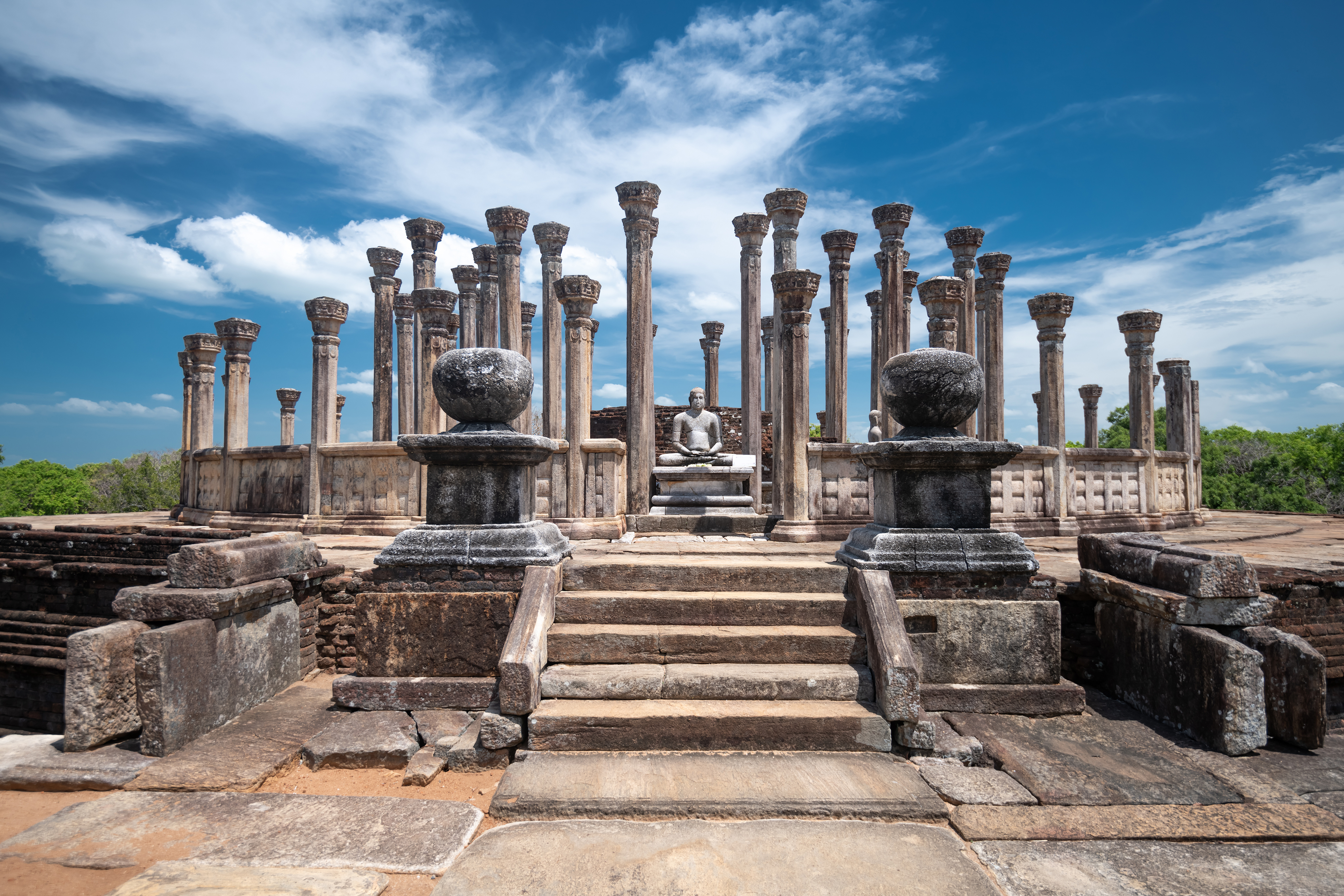
An archaeological site known for its circular relic-house structure, stone pillars and quieter forested setting.

Somawathiya Sacred Area

Approximately 1.5 – 2.5 hours

A significant Buddhist pilgrimage destination situated near the Mahaweli River within a remote dry-zone landscape.

Sigiriya

Approximately 1.25 – 1.75 hours

Around 55 km

Sri Lanka’s famous ancient rock citadel, royal garden complex and UNESCO World Heritage Site.

Anuradhapura

Approximately 2.5 – 3.5 hours

Sri Lanka’s earlier sacred capital, known for monumental stupas, monasteries, reservoirs and active Buddhist pilgrimage sites.

Trincomalee

Approximately 2.5 – 3.5 hours

An east-coast destination known for its natural harbour, beaches, temples and seasonal marine activities.

Route planning

Getting to and from Polonnaruwa

Travel-time ranges can change according to traffic, weather, road conditions, comfort stops and sightseeing along the route.

01

Sigiriya → Polonnaruwa

Approximately 1.25 – 1.75 hours

A classic Cultural Triangle route connecting Sigiriya’s rock citadel with Sri Lanka’s medieval capital.

A Minneriya or Kaudulla safari may be included according to timing, park access and wildlife movement.

02

Anuradhapura → Polonnaruwa

Approximately 2.5 – 3.5 hours

Connects Sri Lanka’s first major ancient capital with the later royal and administrative centre of Polonnaruwa.

The route can be incorporated into a wider Cultural Triangle itinerary rather than treated as a rushed day trip.

03

Polonnaruwa → Trincomalee

Approximately 2.5 – 3.5 hours

A useful route connecting Sri Lanka’s ancient cultural region with the beaches and natural harbour of the east coast.

Travel time depends on road conditions, traffic, accommodation location and comfort stops.

04

Polonnaruwa → Kandy

Approximately 3.5 – 4.5 hours

Connects the North Central Province with Sri Lanka’s historic hill capital through Habarana, Dambulla and Matale.

Dambulla or selected route stops can be added when the itinerary allows.

05

Polonnaruwa → Dambulla

Approximately 1.5 – 2.25 hours

A Cultural Triangle connection towards the Dambulla Cave Temple and onward travel to Kandy or Colombo.

06

Colombo Airport → Polonnaruwa

Approximately 4.5 – 6 hours

A long transfer from the international airport into Sri Lanka’s North Central Province.

A first-night stop in Negombo, Sigiriya or Dambulla may create a more comfortable arrival itinerary.

07

Polonnaruwa → Batticaloa

Approximately 2.5 – 3.5 hours

Connects the ancient city with Sri Lanka’s eastern lagoons, beaches and Batticaloa region.

Visitor guidance

Practical tips for Polonnaruwa

Begin archaeological exploration early because many ruins are exposed to strong sunlight with limited shade.

Carry sufficient drinking water, sunscreen, sunglasses and a hat.

Wear lightweight clothing while keeping the shoulders and knees covered for religious monuments and active worship areas.

Shoes and hats must be removed at some Buddhist sites. Socks can be useful on hot stone and sand surfaces.

Do not climb, sit on or touch ancient statues, carvings, walls and archaeological structures unless access is clearly permitted.

Avoid disrespectful photographs or poses in front of Buddha images, and do not turn your back directly towards sacred statues while posing.

The archaeological zone covers a large area, so private transport or bicycles can make the visit more manageable.

Use a helmet and suitable bicycle, avoid cycling during extreme heat and take care around vehicles and uneven surfaces.

Check archaeological ticket conditions, museum hours, site access and temporary closures before visiting.

Choose a responsible safari operator and never request drivers to chase, surround or disturb elephants and other wildlife.

Elephant sightings and the most suitable national park depend on natural movement, water availability and seasonal conditions.

Do not approach wild elephants encountered beside public roads. Remain inside the vehicle and allow them sufficient space.

Carry mosquito protection for early-morning, evening and reservoir-side activities.

Allow extra travel time during heavy rain, public holidays and busy pilgrimage periods.

Questions answered

Frequently asked questions

How many nights should I stay in Polonnaruwa?+

One night can work for the main ancient-city monuments. Two nights provide a more comfortable visit and allow time for a nearby wildlife safari or additional archaeological sites.

Is Polonnaruwa a UNESCO World Heritage Site?+

Yes. The Ancient City of Polonnaruwa was inscribed on the UNESCO World Heritage List in 1982.

Why is Polonnaruwa important?+

Polonnaruwa became Sri Lanka’s second major capital after Anuradhapura and developed into an important royal, religious, administrative and irrigation centre during the medieval period.

How long does it take to explore Polonnaruwa?+

The principal archaeological monuments generally require four to six hours. Travellers with a deeper interest in archaeology, cycling or photography may prefer a full day.

Can I explore Polonnaruwa by bicycle?+

Yes. Cycling is a popular way to travel between selected monuments, but travellers should consider heat, road traffic, fitness and bicycle condition.

What should I wear in Polonnaruwa?+

Wear lightweight, breathable clothing and keep the shoulders and knees covered when entering Buddhist monuments. Comfortable footwear that can be removed easily is useful.

Can Sigiriya and Polonnaruwa be visited on the same day?+

It is possible with an early start, but the schedule can feel rushed. Staying in the Cultural Triangle for at least two or three nights creates a more comfortable experience.

Can I combine Polonnaruwa with a safari?+

Yes. Minneriya and Kaudulla are common options, but the most suitable park should be selected according to current wildlife movement, park access and local advice.

Are elephants guaranteed near Polonnaruwa?+

No. The surrounding region contains important elephant habitat, but sightings depend on natural animal movement, weather, water availability and the selected park.

Is Polonnaruwa suitable for families?+

Yes. Private transport between monuments can make the experience comfortable for families. Parents should plan around heat, walking distances and respectful behaviour at religious sites.

Planning information and sources

Temperatures, travel times, archaeological tickets, religious-site access, national-park operations, wildlife movement, entrance fees, road conditions and activity availability are approximate or subject to change. All operational information must be reconfirmed before issuing the final client itinerary.

Last verified: 2026-07-19

Start planning

Build your private Sri Lanka journey around Polonnaruwa

Share your dates, group size, interests and preferred travel pace. Our team will prepare a realistic, personalized route.

Create My Tour
CallWhatsAppPlan Tour